
 Send Inquiry
RCC Hume Pipe
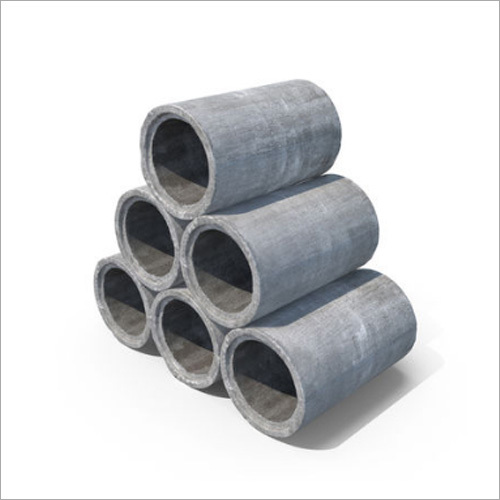

RCC Hume Pipe Specification
- Tensile Strength
- 250 - 350 kg/cm
- Connection Type
- Socket Type
- Sealing Type
- Rubber Ring
- Coating Type
- Uncoated
- Tolerance
- 2 mm
- Flexibility
- Rigid
- Diameter
- 150 mm to 1800 mm (various sizes available)
- Temperature Range
- -10C to 60C
- Product Type
- RCC Pipe
- Material
- Other
- Connection
- Bell & Spigot Joint
- Shape
- Cylindrical
- Standard
- IS:458
- Surface Treatment
- Smooth finish
- Outer Diameter
- 300 mm, 450 mm, 600 mm (options available)
- Section Shape
- Round
- Length
- 2-2.5 Meter (m)
- Thickness
- 25 Millimeter (mm)
- Color
- Grey
- Usage
- Drainage, Sewerage, Irrigation
- Rated Pressure
- 2.5 to 4 kg/cm
- Application
- Civil Construction, Water Supply
- Material Grade
- M30/M40 Grade Concrete
- Jointing Type
- Collar Joint, Flush Joint
- Inner Diameter
- Varies from 120 mm to 1700 mm
- Life Expectancy
- More than 50 years
- Load Class
- NP2, NP3, NP4 (as per IS:458)
- Water Absorption
- 6% (as per IS standard)
- Installation
- Below or above ground
- Weight Per Meter
- 85 Kg to 1300 Kg/m (size dependent)
- Compressive Strength
- Minimum 25 N/mm2
- Testing
- Hydrostatic & Load Test as per IS:458
- Concrete Mix Ratio
- 1:2:4 (Cement:Sand:Aggregate)
RCC Hume Pipe Trade Information
- Minimum Order Quantity
- 10 Pieces
- Payment Terms
- Cash in Advance (CID)
- Supply Ability
- 1000 Pieces Per Month
- Delivery Time
- 2-3 Days
- Main Domestic Market
- All India
About RCC Hume Pipe
Our company is engaged in providing a quality assured RCC Hume Pipe. The offered pipe is generally used for water drainage, sewerage, culverts and irrigation. This product is perfect for various hardware industrial applications and able to carry heavy pressure. RCC Hume Pipe is very much preferred for such usage because they are leak proof, are easily repairable and are non-reactive to sewerage toxins. Moreover, this is available in various specifications as per customers choices.
Other Detail
Diameter : 150 mm
Features : Durable
Built to Last in Demanding Conditions
These RCC Hume Pipes boast a lifespan of over 50 years, thanks to high-grade M30/M40 concrete and stringent quality checks. With superior compressive strength, minimal water absorption, and robust surface treatments, they perform reliably under various environmental and load conditions.
Versatile Applications across Industries
Designed for flexibility in use, the pipes are well-suited for drainage, sewerage, irrigation, and water supply. They can be installed either below or above ground, with multiple diameters and pressure ratings to fit specific project needs. Their adaptability makes them a preferred choice in civil construction across India.
Precision Engineering for Efficient Installation
With tolerances as tight as 2 mm and multiple jointing optionsincluding collar, flush, bell, and spigot jointsthe pipes ensure a secure fit and excellent leak resistance. The standardized lengths and shapes simplify handling and streamline the installation process on site.
FAQs of RCC Hume Pipe:
Q: What are the available load classes and how do I choose the right one?
A: RCC Hume Pipes come in load classes NP2, NP3, and NP4 as per IS:458. The choice depends on installation depth, load from surface traffic, and intended usage. For heavier loads or deep installations, NP4 is recommended while NP2 suffices for lighter, shallower applications.Q: How is the installation process carried out for these pipes?
A: Installation involves laying the pipes either below or above ground, using standardized joint types such as collar, flush, or socket (bell & spigot). Sealing is typically done with a rubber ring to ensure watertightness. Pipes are joined and aligned according to site requirements and tested for hydrostatic and load compliance.Q: What benefits do these RCC Hume Pipes provide in civil engineering projects?
A: These pipes offer long-lasting durability, outstanding resistance to loads, minimal maintenance, and excellent performance in both wet and dry conditions. Their high compressive and tensile strength ensures reliability in critical infrastructures like drainage and water supply systems.Q: What testing procedures are performed on these pipes to ensure quality?
A: Each pipe undergoes hydrostatic and load tests as mandated by IS:458, verifying water tightness and structural integrity. Water absorption is checked to ensure it does not exceed 6%, further guaranteeing high performance and longevity under operational conditions.Q: Where are these RCC Hume Pipes typically used?
A: Common applications include drainage systems, sewer lines, irrigation projects, and major water supply networks. Their adaptability makes them suitable for use in roads, highways, culverts, and agricultural or municipal water management structures.Q: What is the typical size range and how do I select the right diameter?
A: RCC Hume Pipes are available with inner diameters from 120 mm to 1700 mm and outer diameters of 300, 450, and 600 mm, among other options. Selection depends on project flow requirements, pipe placement, and hydraulic calculations.Q: How does the concrete grade and mix ratio influence pipe performance?
A: The M30/M40 grade concrete and 1:2:4 mix ratio ensure a strong, dense structure with a minimum compressive strength of 25 N/mm. This provides the necessary robustness to withstand external loads, resist water ingress, and support the longevity of the pipe in demanding applications.Price 200 INR/ Square Meter
- Minimum Order Quantity
- 10 Pieces
- Supply Ability
- 1000 Pieces Per Month
- Delivery Time
- 2-3 Days
- Main Domestic Market
- All India
 Get Latest Price
Price:
- 50
- 100
- 200
- 250
- 500
- 1000+

More Products in Cement Pipes Category
Collar Joint RCC Pipe
Price 200 INR / Square Meter
Minimum Order Quantity : 10 Pieces
Thickness : 25 Millimeter (mm)
Product Type : RCC Pipe, Other
Material : Other , Cement
Length : 22.5 Meter (m)
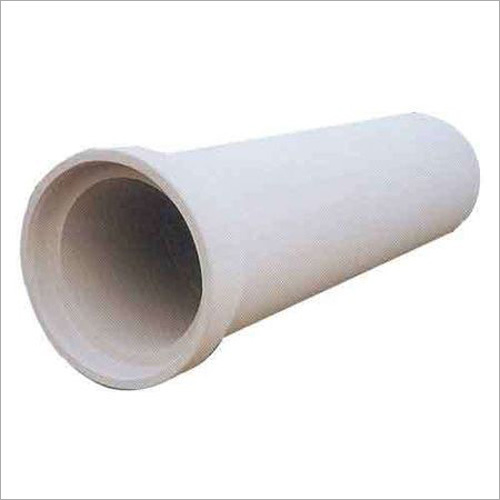
Spun RCC Pipe
Price 200 INR / Square Meter
Minimum Order Quantity : 10 Pieces
Thickness : 25 Millimeter (mm)
Product Type : Other, RCC Pipe
Material : Other , Cement
Length : 22.5 Meter (m)
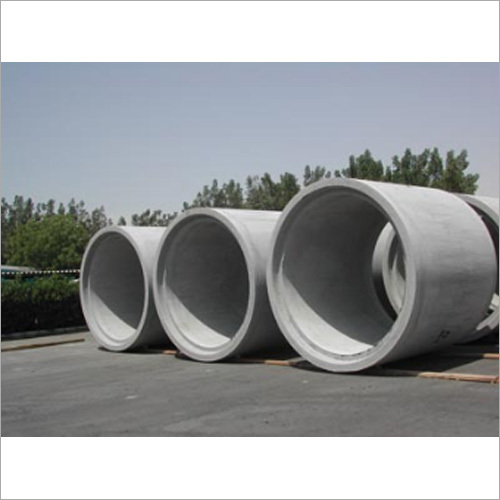
Flush Joint RCC Pipe
Price 200 INR / Square Meter
Minimum Order Quantity : 10 Pieces
Thickness : 25 Millimeter (mm)
Product Type : Other, RCC Pipe
Material : Other
Length : 22.5 Meter (m)

Developed and Managed by Infocom Network Private Limited.

